
A Homeowner's Guide to Building a Wildfire-Resistant Home in Eastern Washington
Living in the Inland Northwest is a privilege. We're surrounded by breathtaking natural beauty, from the rolling hills to the dense pine forests that define our landscape. But with that beauty comes a responsibility to build homes that can stand up to the region's unique challenges, especially the increasing risk of wildfire. For many homeowners in Spokane, the thought of protecting their largest investment and their family from this threat can feel overwhelming. Where do you even begin?
Fortunately, modern construction science and materials offer powerful solutions. Building a home that is resilient to fire isn't about creating a bunker; it's about making smart, informed choices from the ground up. This guide will walk you through the key principles of wildfire-resistant construction, from selecting the right exterior materials to implementing intelligent design strategies. Whether you're planning a custom build or a major exterior remodel, these steps can significantly improve your home's defense against embers and flames.
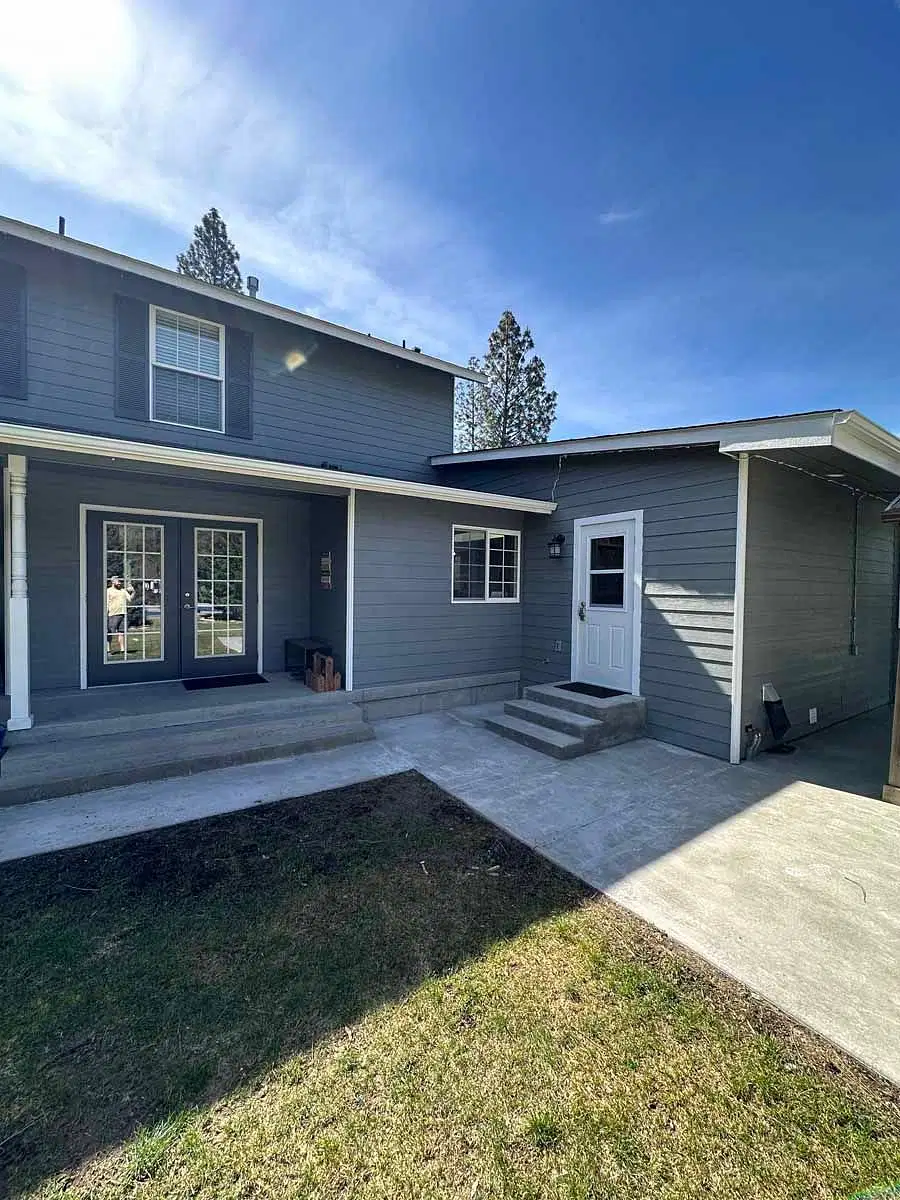
Your Home's First Line of Defense: Fire-Resistant Exteriors
The most vulnerable parts of your home during a wildfire are the exterior components, where flying embers can land and ignite. The goal is to create a non-combustible or ignition-resistant shell. This is the single most important factor in protecting your structure.
Roofing
Your roof is the most exposed surface. Embers can travel for miles and land on your roof, making material choice critical.
- Class A Fire Rating: This is the highest rating for fire resistance. Materials like metal, concrete or clay tile, and composition shingles all come with Class A options. While wood shake roofs are traditional, they are highly combustible unless treated, and even then, they require consistent maintenance.
Siding
Your home's siding is another large, vulnerable surface. The key is to choose materials that won't easily ignite.
- Fiber Cement Siding: This is one of the most popular choices for fire-prone areas. It's a durable composite material made from sand, cement, and cellulose fibers that resists flames, insects, and rot.
- Stucco and Brick/Stone Veneer: These materials are non-combustible and provide excellent protection. They are a fantastic investment in both safety and long-term durability.
Windows and Decks
Windows can break from the intense heat of a fire, allowing embers to enter your home. Decks can act as a fuel source right next to your house.
- Windows: Dual-paned windows with tempered glass on the exterior pane are far more resistant to heat-induced breakage than single-paned options.
- Decks: While wood decks are common, consider using composite decking materials that have a higher fire-resistance rating. Better yet, creating a non-combustible patio space with pavers or concrete directly adjacent to the home is the safest option.
Smart Design and Defensible Space
Beyond materials, the design of your home and the space around it play a huge role in its survivability. When planning a home addition or a new build, incorporating fire-smart design from the beginning is both effective and cost-efficient.
Architectural Considerations
- Simple Rooflines: Complex roofs with many valleys and corners can trap embers and debris. A simpler roof design is inherently safer.
- Enclosed Eaves and Soffits: Open eaves are a common entry point for embers. Boxing them in with fire-resistant materials prevents flames from reaching the attic and roof structure.
- Vents: All attic, crawlspace, and roof vents should be covered with a fine metal mesh (1/8-inch) to block embers from entering.
Creating Defensible Space
Defensible space is the buffer you create between your home and the surrounding vegetation. This is a critical concept for anyone living near wildlands, from South Hill to the outer edges of The Valley. The goal is to reduce or eliminate flammable materials in the area immediately surrounding your home.
- The Immediate Zone (0-5 feet): This area should be completely free of flammable materials. Use non-combustible materials like gravel, pavers, or concrete for walkways and patios. Avoid bark mulch and flammable plants right against the house.
- The Intermediate Zone (5-30 feet): Keep grass mowed and irrigated. Create space between trees and remove lower branches to prevent a fire from climbing into the canopy. Remove dead trees, shrubs, and other flammable debris.
- The Extended Zone (30-100 feet): Thin out trees and vegetation to interrupt a fire's path. The goal isn't to clear-cut the land but to reduce the fuel load so a fire loses momentum as it approaches your home.
Building for a Safer Future
Protecting your home from wildfire is an ongoing process, but it starts with a solid foundation of fire-resistant materials and smart design. By choosing a general contractor who understands the specific environmental risks of our region, you can ensure your home is built not just for beauty and comfort, but for lasting safety and peace of mind. High-quality craftsmanship and durable materials are essential when building a home that can withstand the elements and protect your family.
Whether you are considering a new custom home, a full exterior remodel, or a home addition, these principles can be integrated into your project. If you have questions about how to make your home more resilient, we're here to help. Contact Brother's Keeper Construction today for a consultation, and let's build a safer, more durable home for your family in the Spokane area.